
Goodness Gracious, Great Bowls of Wrath
Heaven’s Last Onslaught
By Tim Moore
“Where there is no vision, there is no hope.” – George Washington Carver
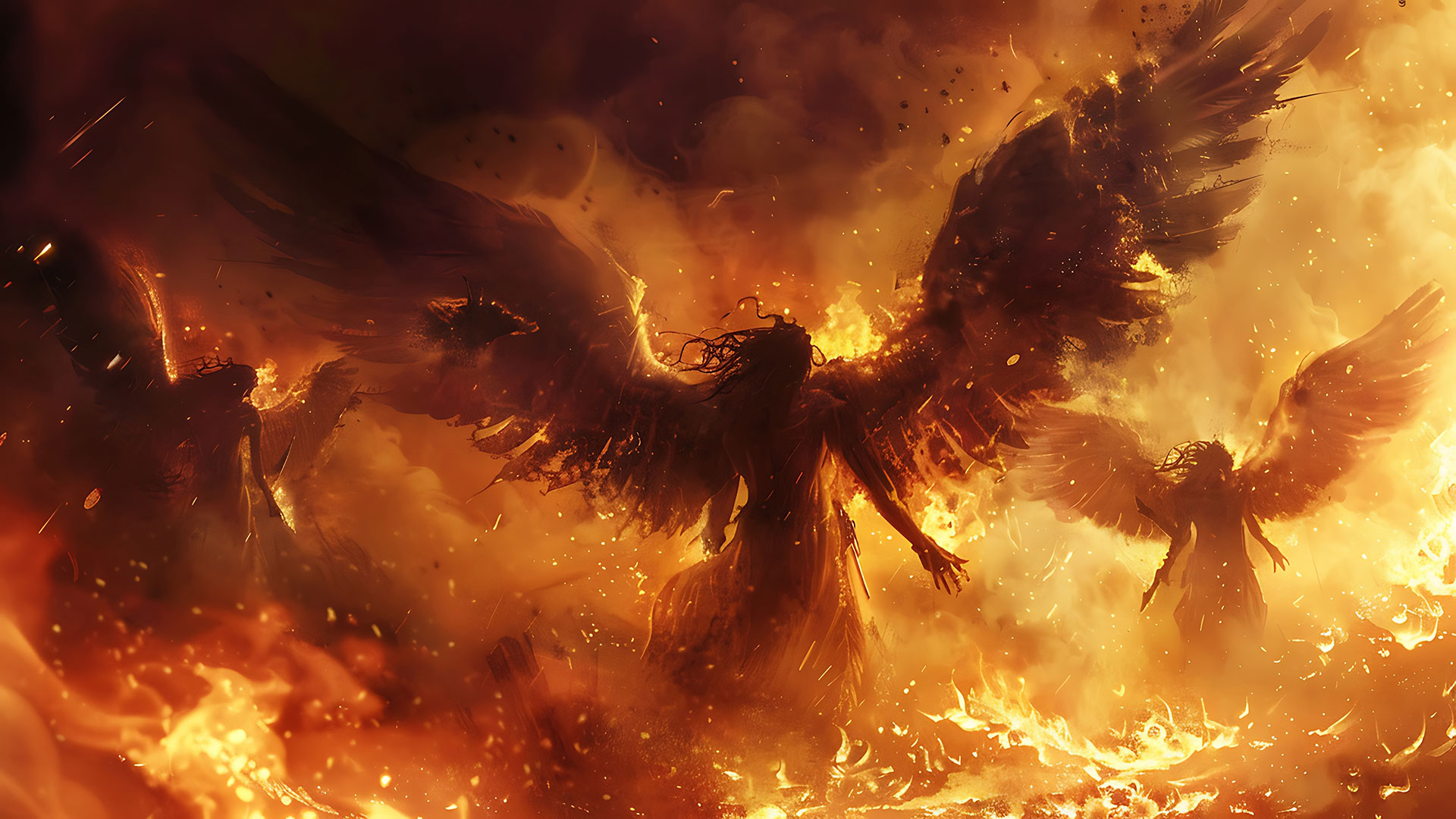
By the midpoint of the Tribulation, Earth is a bleak hellscape. Seven Seal Judgments and seven Trumpet Judgments have been poured out as God’s wrath overflows against a rebellious and unrepentant world. One quarter and then one third of mankind have been obliterated, and then the horrors get even worse.
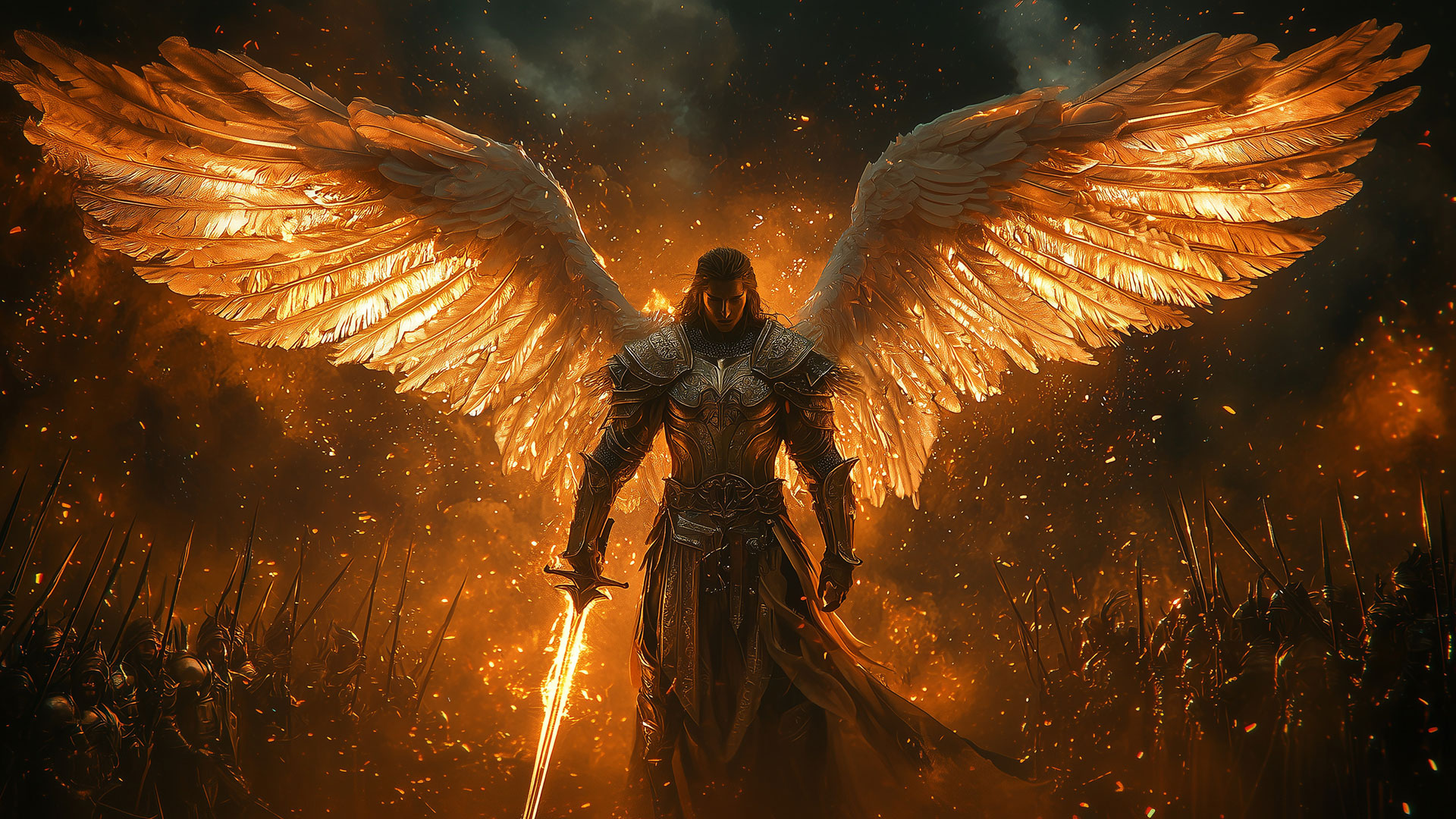
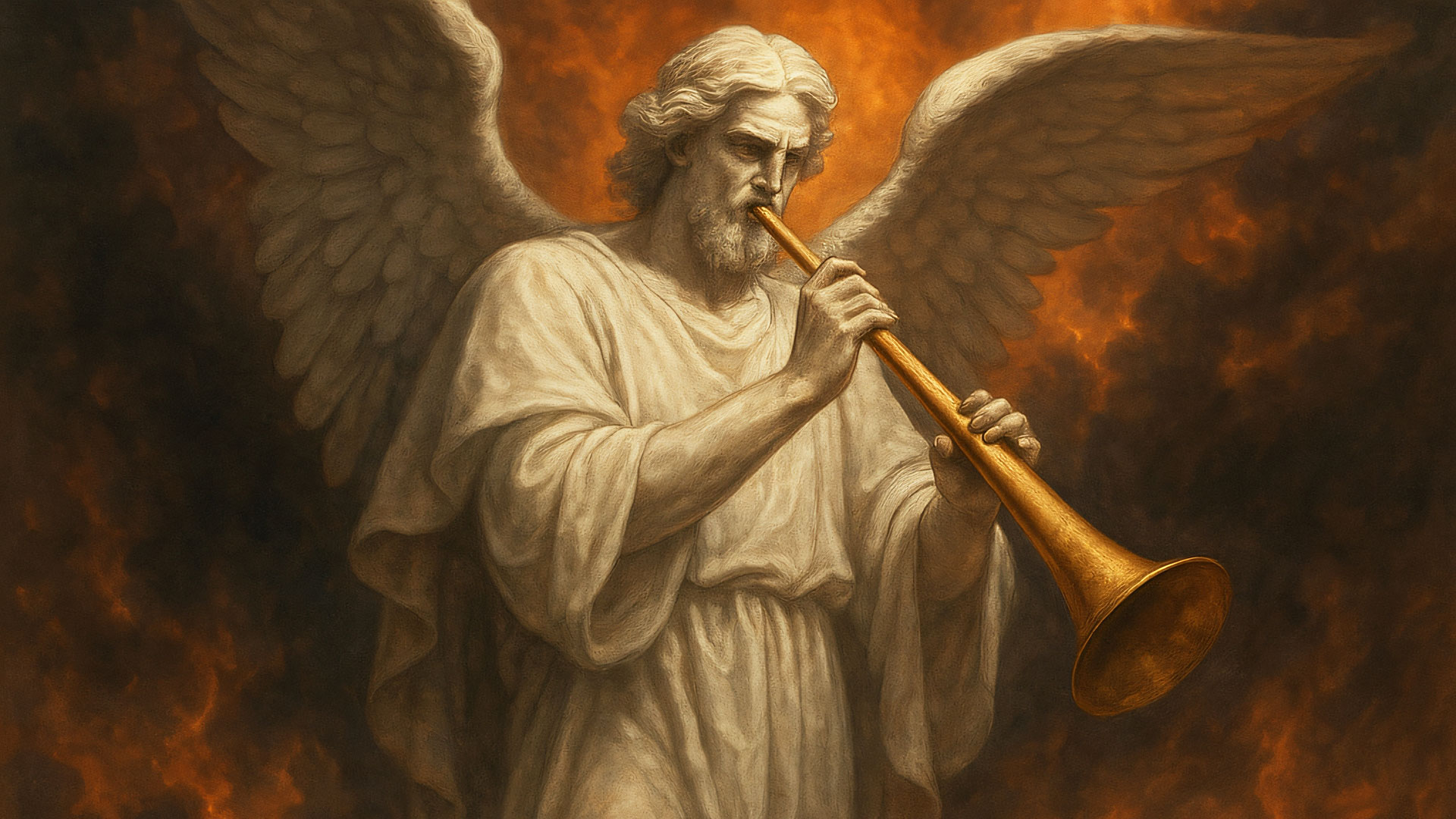
John describes the scene in Heaven as seven angels are given seven bowls full of the wrath of God. The angels are said to be bearing plagues, because the devastation they unleash will bring Earth—and all mankind—to the brink of annihilation.
Before we examine the Bowl Judgments themselves, let’s review what will happen halfway through the Tribulation.
Satan Cast Down
In Revelation 12, John offered a complete overview of Satan’s war against God’s chosen people, Israel. The war that has raged since God created man in His own image and selected a people to serve as a conduit of His blessing culminates in one final assault on the throne of God in Heaven.
At long last, Satan is ejected from Heaven for good. Knowing his time is short, the devil is determined to act out his own wrath and destroy as many image bearers as possible. So he will indwell the Antichrist and make war both with Israel and with those who hold to the testimony of Jesus (Revelation 12:17).
Based on the chronology of the Tribulation provided in Revelation, it is only now that the Antichrist requires everyone who wishes to buy or sell to take his name or number on their right hand or forehead. This is why hyped fear that people are obliviously taking the Mark of the Beast today betrays Scriptural ignorance.
The eternal stakes of this cosmic choosing of sides could not be more dramatic. Those who take the mark of the Beast will “drink of the wine of the wrath of God… and will be tormented with fire and brimstone… forever” (Revelation 14:9-11). But those who keep the commandments of God and their faith in Jesus will live forever—even if they are martyred as the Satan-possessed Antichrist rages.
It is in the midst of this horrible period that John sees a trio of angels harvesting men like stalks of grain or clusters of grapes and throwing them into “the great wine press of the wrath of God” (Revelation 14:19). In a horribly graphic description, John says that the blood that flows will run up to a horse’s bridle for a distance of two hundred miles.
Clearly, the End is at hand, yet more destruction is still to come.
Heaven’s Last Onslaught
When John first describes the seven angels who will pour out the Bowl Judgments, he notes that when these final plagues conclude, “the wrath of God is finished” (Revelation 15:1). Before we even consider the judgments themselves, it is important to recognize what that statement reveals.
In His very first self-revelatory description of Himself, God proclaimed to Moses, “The LORD, the LORD God, compassionate and gracious, slow to anger, and abounding in lovingkindness and truth; who keeps lovingkindness for thousands, who forgives iniquity, transgression and sin; yet He will by no means leave the guilty unpunished…” (Exodus 34:6-7). In Scripture, God’s patience led Him to delay His wrath—offering opportunity for repentance to occur:
- The sin-soaked world for the many years it took Noah to build the Ark
- Sodom and Gomorrah, wicked cities visited by angels before fire consumed them
- The land of Canaan, which was given four generations before God deemed the sin of the Amorite to be “complete”
- Nineveh, which heard the non-seeker-sensitive warning from Jonah and was inspired to repent
- Israel, which was warned by prophet after prophet before the anger of the Lord arose and the nation was judged and devastated
Wrath – “extreme anger that manifests in vengeance or punishment; the ultimate expression of righteous indignation and divine justice.”
Only a fool would look at these and other examples from the Bible and choose to ignore the limits of God’s patience. As He said in Genesis 6:3, “My Spirit will not contend with man forever.” There comes a point where the patience, grace, and mercy of God are exhausted, and His righteous indignation gives way to devastating wrath. When that occurs, the writer of Hebrews was spot on: “It is a terrifying thing to fall into the hands the Living God” (Hebrews 10:31).
Pharaoh came to realize that the God of Abraham, Isaac, and Jacob is not to be trifled with. At some point, Pharaoh’s willful heart-hardening was locked in by God. Past that point of no return, God hardened his heart (Exodus 9:12; 10:20, 27; 11:10) and Egypt was devastated. That should be example enough, yet history repeats itself over and over again as mankind flaunts its wickedness while scoffing at the Lord’s provision for salvation.
For two millennia following Jesus’ First Advent and earthly ministry, God has been patient, not wishing for any to perish. But the deepening rebellion and rejection of His Son are filling the cup of His anger—His righteous anger. Soon it will overflow and be poured out on an unrepentant world.
Christians living in this age may share God’s indignation when we witness sin. But it is very difficult to keep our own anger from leading us to sin. That is why Paul cited Psalm 4:4 when he cautioned the Ephesians to “be angry, and yet do not sin,” recognizing that anger itself gives the Devil an opportunity to cause us to stumble (Ephesians 4:26-27).
It is in that context that God will pour out His wrath on Earth throughout the Tribulation. When His patience is exhausted and His anger is fully aroused, He will mete out the punishment that is due and deserved. For every Christian whose heart has been heavy as we watch sin multiply before our eyes, the promise of Romans 12:19 will be fulfilled on every mortal heart whose hardness has been locked in: “‘Vengeance is Mine, I will repay,’ says the Lord.”
To mete out – “to distribute, dispense, or administer something—especially a punishment, reward, or justice—in a careful, measured way.”
The Bowl Judgments are thus the final outpouring of that wrath—but not yet the last judgment.
Seven Bowls of Wrath
It sounds trite to say, “but wait, there’s more.” When it comes to the series of judgments that will befall the Earth during the Tribulation, that statement is alarmingly true. Horror follows horror and suffering multiplies exponentially. The final series of Bowl Judgments seems to come in rapid succession and may actually occur within a very compressed time period. In order, they are:
- First – loathsome and malignant sores on all who take the Mark of the Beast
- Second – seawater turned to blood, resulting in the death of every living sea creature
- Third – springs of fresh water also turn to blood throughout the world
- Fourth – the heat or radiation from the Sun is increased to scorch mankind
- Fifth – the kingdom of the Beast is cast into piercing darkness, so that men gnaw their tongues in pain
- Sixth – the Euphrates River is dried up to allow the kings of the east to march toward the Jezreel front the Antichrist
- Seventh – the Earth experiences cataclysmic lightning and thunder and another great earthquake that destroys cities throughout the world, splits the great city “Babylon” into three parts, and upheaves every island and mountain; simultaneously, great 100-pound hailstones fall from the sky
John intersperses his description of these final outpourings of God’s wrath with some telling observations. As the third angel pours out the bowl that causes fresh water to turn to blood, he comments, “Righteous are You, who are and who were, O Holy One, because You judged these things, for they poured out the blood of saints and prophets, and You have given them blood to drink. They deserve it” (Revelation 16:5-6). Indeed. The meting-out of punishment is undeniably justified and deserved.
In addition to the righteous justice being inflicted, Habakkuk teaches us that even in wrath, God remembers mercy (Habakkuk 3:2). A key aspect of the Tribulation is to drive rebellious people (and eventually the entire House of Israel) to the end of themselves. Even in wrath, mercy is offered to all who will confess their sin, repent (turn from their wicked ways), and embrace Jesus Christ as Savior and Lord. That offer is only withdrawn when a person’s fate is sealed—as when Pharaoh’s heart was hardened. We are also told that during the Tribulation those who accept the Mark of the Beast will have chosen poorly, sealing their fate for all Eternity.
Thankfully, many will realize the error of their ways and turn to Christ. They represent the Tribulation saints whom the Antichrist will hunt down with a vengeance and kill. Those martyrs will be gathered beneath the altar of God in Heaven. Affirming their belief in God’s righteousness and justice, they will cry out, “How long, O Lord, holy and true, will You refrain from judging and avenging our blood on those who dwell on the earth?” (Revelation 6:10).
Why would anyone subjected to the wrath of God—and recognizing that they are suffering under His awful wrath—refuse to bend the knee? For the same reason people refuse to honor Him as Lord today. Jesus was crystal clear about this irrational human tendency. Just three verses after describing the wonderful love of God in John 3:16, He explained, “people loved the darkness rather than the Light; for their deeds were evil” (John 3:19).
John also records three times in this sequence that the people enduring this final series of plagues refuse to repent. Instead, they blaspheme God (Revelation 16:9, 11, 21). No wonder God is indignant. The very people He sent His Son to save—and who are offered mercy and grace up until this moment—are still cursing Him. No longer does the Son intervene to say, “Father, forgive them; for they do not know what they are doing” (Luke 23:34). The fate of this blasphemous final generation is sealed—forever.
Tribulation Purpose
The Tribulation will be more horrible than any of us can imagine. People think they are suffering today, but the little-t tribulations we endure result from A) this fallen world and the curse that God placed on Creation, B) the ramifications of sin committed by image-bearers since the Fall, and C) our own sin and fallen choices working out their due consequences.
No one alive today can claim to have been subjected to the full wrath of God. Judgment and penalty, yes. But not God’s holy, pentup, indignant wrath. Jesus said that when that wrath is being poured out upon the whole Earth, “if those days had not been cut short, no life would have been saved; but for the sake of the elect those days will be cut short” (Matthew 24:22). Yes, even in the midst of wrath, God will remember mercy. He will “cut short” those days in His great mercy so that the elect—that handful of Christians who survive to the end of the Tribulation—can enter the Millennial Kingdom in their mortal bodies.
So, to reiterate, there is a great misunderstanding about the purpose of the Tribulation. While God will pour out rightful, justified, holy, and seemingly long-overdue punishment on the world, He will also orchestrate the final redemption of the remnant of the House of Israel through the Tribulation (when they come to the end of themselves and cry out to Him). In addition, many others will come to realize their desperate need for forgiveness during the Tribulation, leading to a great harvest of souls.
We can rejoice knowing God’s offer of salvation (based on the marvelous grace of His Gospel) will be in effect during the Tribulation. We can also thank Him for delaying His coming to allow the Church to reach its full measure—and each of us to be saved.
I am glad that only God the Father knows: when He will send His Son to gather His Bride, when the Tribulation will begin, which hearts are still soft enough to allow Gospel seeds to grow, and which hearts are irredeemably hardened.
Armed with the knowledge of the Gospel, I can only take God at His Word and trust that time is of the essence. The hammer could fall at any time, and so my task is both eternally important and critically urgent. If you are a follower of Christ, you have been commissioned with the same calling.
Where Is the Hope?
I opened this article citing one of my personal heroes, George Washington Carver. A man of unique talent and humility, Carver understood his place before God. He testified that he aspired to do great things, but God told him he was better suited to study the peanut. So he dedicated himself to studying the humble peanut—and made lasting contributions to science and the betterment of mankind through his careful, servant-hearted obedience to the Lord.
The hope in our consideration of the Bowl Judgments lies in the fact that you are reading about this horrific period of human history before it takes place. God did not owe any of us a preview of what lies ahead. The Potter would be in His rights (and totally justified) to simply obliterate the “vessels of wrath prepared for destruction” (Romans 9:21-23). But He has forewarned us that His patience will run out—just as He did through Noah (the preacher of righteousness), the angelic visitors to Sodom and Gomorrah, Abraham, Jonah, and a host of prophets to Israel and Judah.
As Jesus shared in the parable of the landowner and the foolish tenant farmers, God sent His own Son, but most people have refused to respect the Son. Instead, they celebrate His murder and intend to seize the Land and the glory that belong to God alone. In due time—soon—the justified response even the chief priests and elders at the Temple foretold will come true: “He will bring those wretches to a wretched end” (Matthew 21:41).
While you still have breath—and while every wretched, blasphemous rebel inhabits this life—there is hope. Hope that you—and they—will humble yourselves, pray for forgiveness, and turn from your wicked ways. If you do, the God of all mercy will hear you from Heaven, forgive your sin, and grant you life everlasting.
What choice will you make?